
Mesa real estate looks different when summer temperatures are part of daily life for months at a time. The right home features can improve comfort, support lower utility costs, and reduce maintenance surprises long after move-in day. If you are comparing properties in Mesa, this checklist helps you focus on the details that matter most in desert conditions.
Start With the Systems That Work Hardest
In Mesa, curb appeal matters, but heat performance matters more. Buyers often notice the kitchen, the flooring, and the backyard first, yet the features that shape day-to-day comfort are usually less glamorous: insulation, air conditioning, windows, shade, and roofing materials. A house that looks polished online can still struggle in July if those core systems are dated or poorly matched to the climate.
The first item on any desert-living checklist is the HVAC system. Ask about the unit’s age, maintenance history, and whether the seller has documentation for recent service. In a hot climate, an older system is not automatically a deal-breaker, but it should be evaluated in the context of efficiency and replacement timing. A well-maintained unit can be a major advantage, while a struggling one may quickly become a priority expense.
Next, pay close attention to insulation and windows. Dual-pane windows, low-E glass, and properly sealed frames can help limit heat gain and improve indoor consistency from room to room. In the attic, adequate insulation makes a bigger difference than many buyers expect. If one side of the home faces strong afternoon sun, those upgrades become even more meaningful in everyday use.
When comparing two similar homes, the better energy envelope can matter just as much as square footage. Utility costs and comfort often reveal the difference after closing.
Roofing is another essential category. In Mesa, buyers should look at the roof’s age, material type, underlayment condition, and visible signs of wear. Tile roofs are common, but the supporting materials beneath them are just as important. If the property has limited shade coverage and full sun exposure, roof condition deserves even closer review during due diligence.
Shade, Orientation, and Outdoor Use Count More Than You Think
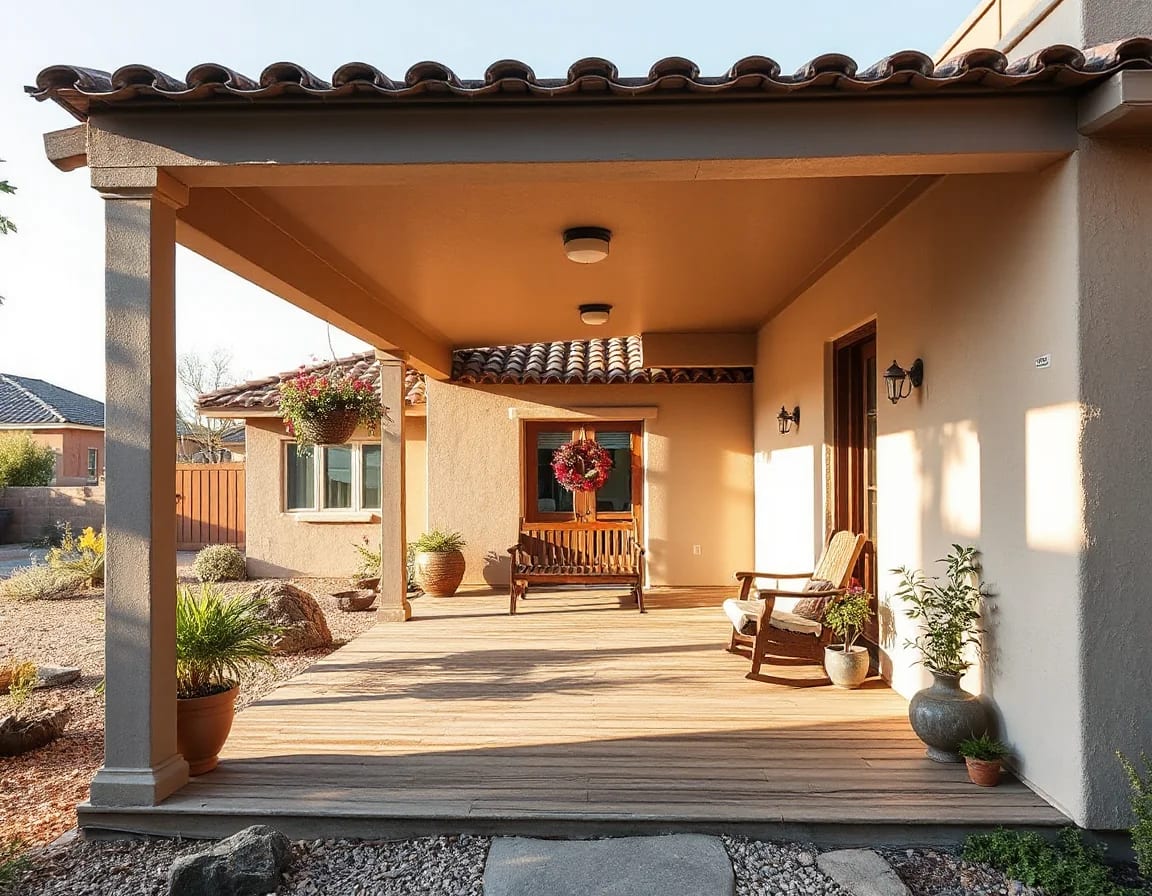
One of the most practical home features in the desert is not always inside the house. Shade can shape how livable a property feels from morning through evening. Covered patios, deep overhangs, mature trees where appropriate, exterior sun screens, and well-positioned pergolas can all make outdoor spaces more usable while also reducing direct heat entering the home.
A home’s orientation deserves attention too. Properties with large west-facing windows may receive intense late-day sun, especially during warmer months. That does not make the home undesirable, but it does mean buyers should think carefully about window treatments, solar exposure, and cooling demand. The same applies to bonus rooms, enclosed patios, or additions that may not cool as evenly as the main living space.
Backyards are a major part of the Mesa lifestyle, and it helps to evaluate them with realistic expectations. A beautiful outdoor area is most useful when it includes practical heat-conscious features such as covered seating, heat-tolerant landscaping, and durable surface materials. If the yard includes a pool, review equipment age, pump efficiency, and whether surrounding decking absorbs excessive heat in peak summer conditions.
Another detail worth checking is the garage. In Arizona, garages often do more than hold vehicles. They may serve as storage, workshop space, or an overflow zone for seasonal items. Insulated garage doors, ventilation, and thoughtful separation from the interior can help reduce heat transfer into adjacent rooms.
Water Efficiency and Low-Maintenance Materials Make Ownership Easier
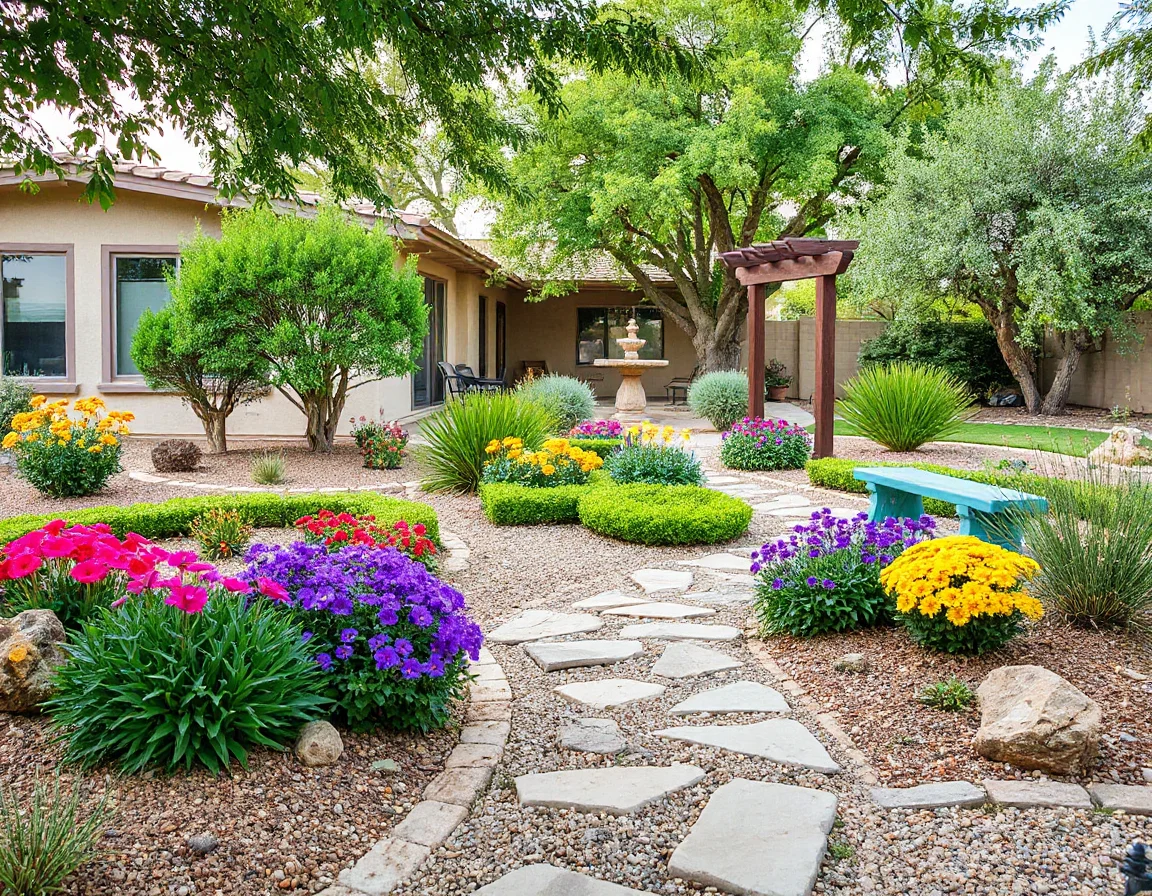
Desert living rewards homes that are designed for efficiency. Water-smart landscaping is one of the clearest examples. Properties with drip irrigation, low-water plantings, gravel or decomposed granite, and limited high-maintenance turf can be easier to manage than yards built around thirsty landscaping. Buyers should also look at irrigation condition, timer controls, and signs that outdoor systems are functioning properly.
Inside the house, hard-surface flooring is often a practical plus. Tile remains common in Mesa because it handles heat well, cools relatively efficiently, and generally stands up to heavy use. That does not mean every buyer should avoid carpet or wood-look materials, but it is smart to consider how each surface performs in high-traffic areas and under strong sunlight.
Cabinet finishes, exterior paint, window seals, and caulking should also make the checklist. Intense sun can accelerate wear on materials, particularly on south- and west-facing sides. A home that has been updated with durable finishes and maintained consistently may offer a smoother ownership experience than one with cosmetic updates only.
Fresh paint and staging can catch the eye, but desert durability shows up in the details: seals, surfaces, irrigation, and the condition of anything exposed to long hours of sun.
It is also useful to ask whether the property has ceiling fans, programmable thermostats, and zoned cooling. These features are not flashy, but they can make a noticeable difference in comfort and efficiency. In larger floor plans, separate cooling zones can help manage temperature without over-conditioning parts of the home that are used less often.
Look Beyond the House and Think About Daily Patterns
A smart Mesa home search also includes the property’s setting and how it supports everyday routines. Commute patterns, parking shade, walking paths, nearby services, and access to parks or recreation areas all affect how a home functions over time. The best fit is usually the one that balances indoor performance with a location that makes day-to-day life feel easier.
During showings, try to notice how the property feels, not just how it photographs. Are certain rooms warmer than others? Does the patio offer usable shade? Is there evidence of deferred maintenance around doors, windows, or exterior fixtures? These observations help round out what the listing description cannot always tell you.
For buyers narrowing down options, it helps to think in terms of a full desert-living checklist rather than a single must-have feature. The strongest homes in Mesa often combine several advantages: reliable cooling, better window performance, useful shade, durable materials, manageable landscaping, and outdoor areas designed with climate in mind. No home is perfect, but a property that handles heat well can feel more comfortable and predictable from the start.
A Practical Mesa Shortlist Wins in the Long Run
In a market where photos can highlight finishes and layout, buyers gain an edge by asking deeper questions about how a home performs in real desert conditions. The most valuable features are often the ones that support comfort at 4 p.m. in August, protect long-term upkeep, and help the home operate efficiently year-round. If you build your shortlist around those eight categories—HVAC, insulation, windows, roofing, shade, outdoor usability, water efficiency, and durable materials—you will be evaluating Mesa homes through a lens that matches the climate as well as the lifestyle.
