
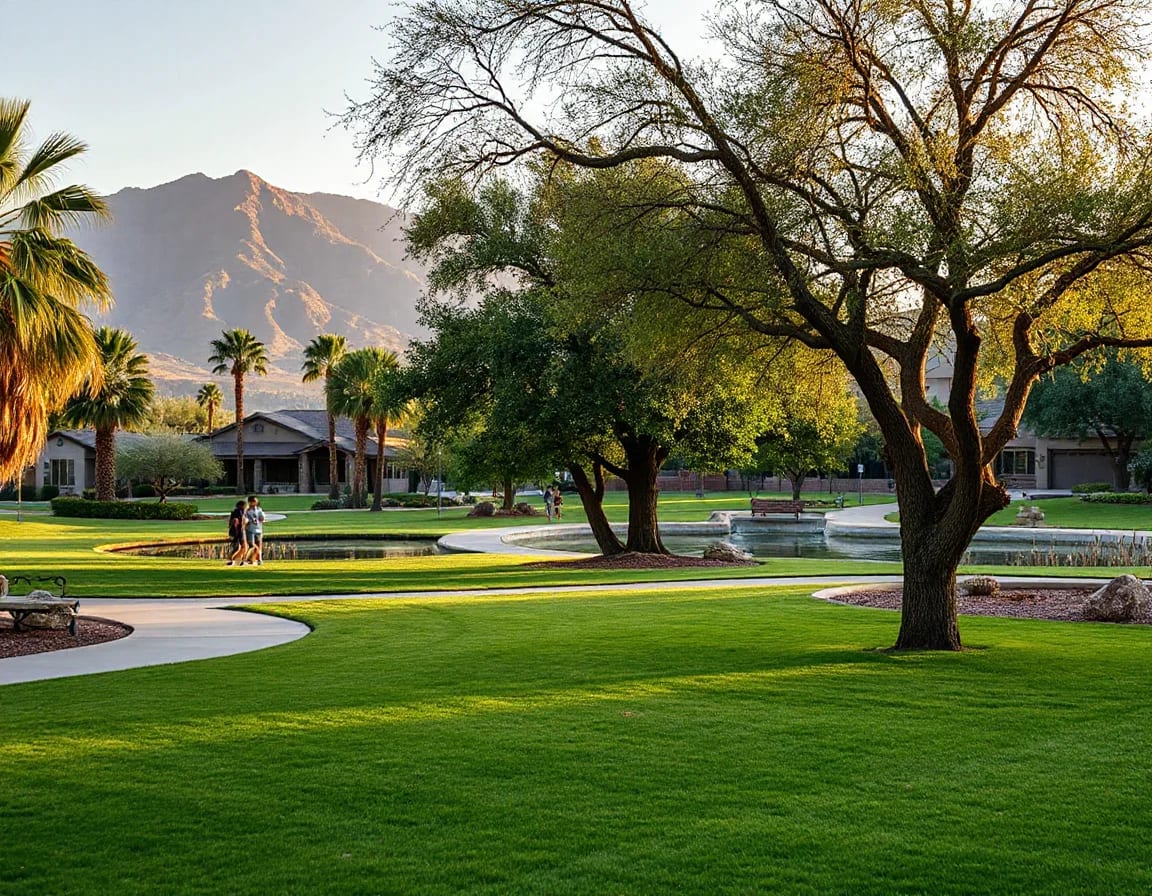
Luxury buyers comparing Paradise Valley and Scottsdale often notice the same headline differences first: lot size, streetscape, retail access, architecture, and pace. The two markets can overlap in price, but they deliver very different day-to-day experiences once you look past square footage and finishes. Understanding those practical lifestyle contrasts can make a high-end home search much more focused.
1. Lot Size and Privacy Feel Different Right Away
When buyers tour both areas back to back, one of the first differences they mention is how the homes sit on the land. Paradise Valley is known for large lots, long driveways, broad setbacks, and a quieter visual rhythm from one property to the next. Even before stepping inside, many homes there create a more estate-style arrival, with gates, mature landscaping, mountain views, and a sense of separation from neighboring properties.
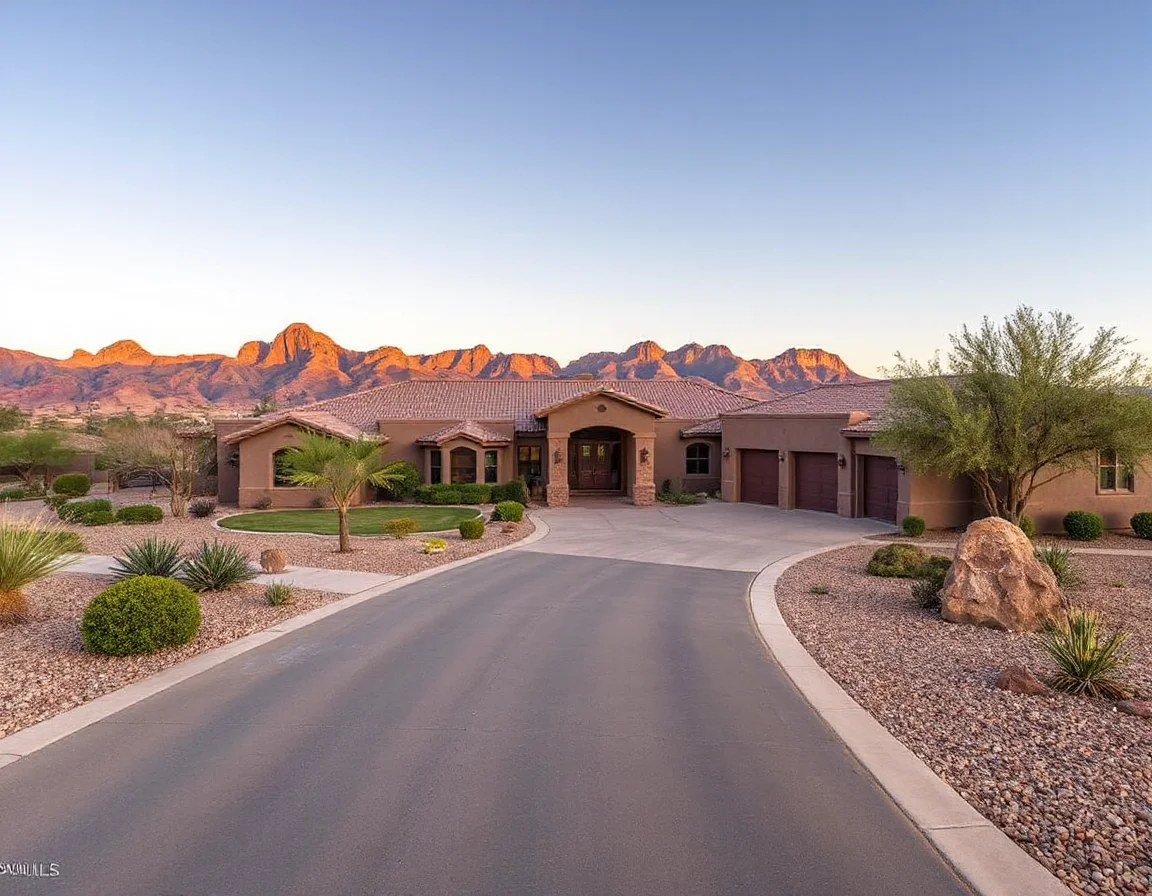
Scottsdale, by contrast, offers a wider range of luxury settings. Some neighborhoods provide generous parcels and strong privacy, while others place high-end homes closer to golf corridors, resort areas, retail districts, or master-planned communities. That variety is a major draw, but it also means the privacy level can change dramatically from one part of Scottsdale to another. Buyers who want a more tucked-away environment often notice the difference immediately.
If privacy is near the top of your list, ask not just about lot size, but also setback depth, adjacent rooflines, and how outdoor living areas are positioned on the parcel.
For many shoppers, this is less about price and more about daily atmosphere. A home can be equally luxurious in either market, yet the experience of arriving home, using outdoor space, and seeing surrounding rooftops can feel very different. That is why lot configuration often becomes a deciding factor early in the search.
2. Scottsdale Usually Offers More Immediate Access to Activity
Another clear distinction is convenience to dining, retail, golf, entertainment, and mixed-use destinations. Scottsdale has a more connected pattern of activity centers, with many luxury neighborhoods located within a relatively short drive of resort properties, galleries, event venues, trailheads, and shopping districts. Buyers who like having multiple options nearby often respond to that flexibility, especially if they plan to split time between home, recreation, and social outings.
Paradise Valley certainly has excellent access as well, especially given its position between Scottsdale, Phoenix, and nearby resort corridors. But the feel is different. Instead of an environment built around concentrated commercial nodes, the town tends to emphasize residential character, larger properties, and scenic roadways. Buyers often say Paradise Valley feels more insulated, while Scottsdale feels more plugged in.

Neither option is inherently better. It depends on whether a buyer values a more residential setting or quicker access to a fuller rotation of daily destinations. Some people want to step out for dinner, golf, or events without much planning. Others prefer a home base that feels quieter and more removed, even if that means a slightly more deliberate drive pattern.
That tradeoff becomes especially important for second-home owners and frequent travelers. If the property will serve as a lock-and-leave base with regular dining and entertainment use, Scottsdale’s layout can be especially attractive. If the priority is retreat-like living with easy regional access, Paradise Valley often rises to the top.
3. Architecture Trends and Neighborhood Variety Are Not the Same
Design expectations can also shape the decision. Paradise Valley often leans toward custom estates, prominent remodels, and architecturally distinct homes on larger parcels. Buyers may encounter a blend of classic desert architecture, updated ranch estates, and high-end contemporary properties that are designed to maximize privacy, mountain views, and indoor-outdoor living. The overall inventory tends to feel highly individualized.
Scottsdale offers custom homes too, but it also presents a broader menu of neighborhood formats. Depending on the area, buyers might compare guard-gated communities, golf-oriented enclaves, newer luxury developments, and condo or villa options with upscale amenities. That mix creates more choice in terms of maintenance level, amenities, and neighborhood planning.
For some buyers, Paradise Valley’s appeal lies in uniqueness and the chance to own a home that feels singular on its site. For others, Scottsdale’s range is the advantage because it supports more specific lifestyle preferences, whether that means a newer build, a low-maintenance setup, or proximity to a resort-style environment. The key is not just asking what style you like, but how much neighborhood structure you want around it.
Luxury inventory can look similar online, but the ownership experience changes when you compare custom-estate living with a highly serviced or master-planned setting.
4. Commute Patterns and Regional Positioning Influence the Choice
Location on a map matters differently at the luxury level because buyers are often balancing multiple destinations rather than a single office route. Paradise Valley’s central placement can be a major advantage for people who expect to spend time in both Scottsdale and Phoenix. Trips to business districts, resorts, airport access routes, and cultural venues can feel efficient from the middle of the Valley.
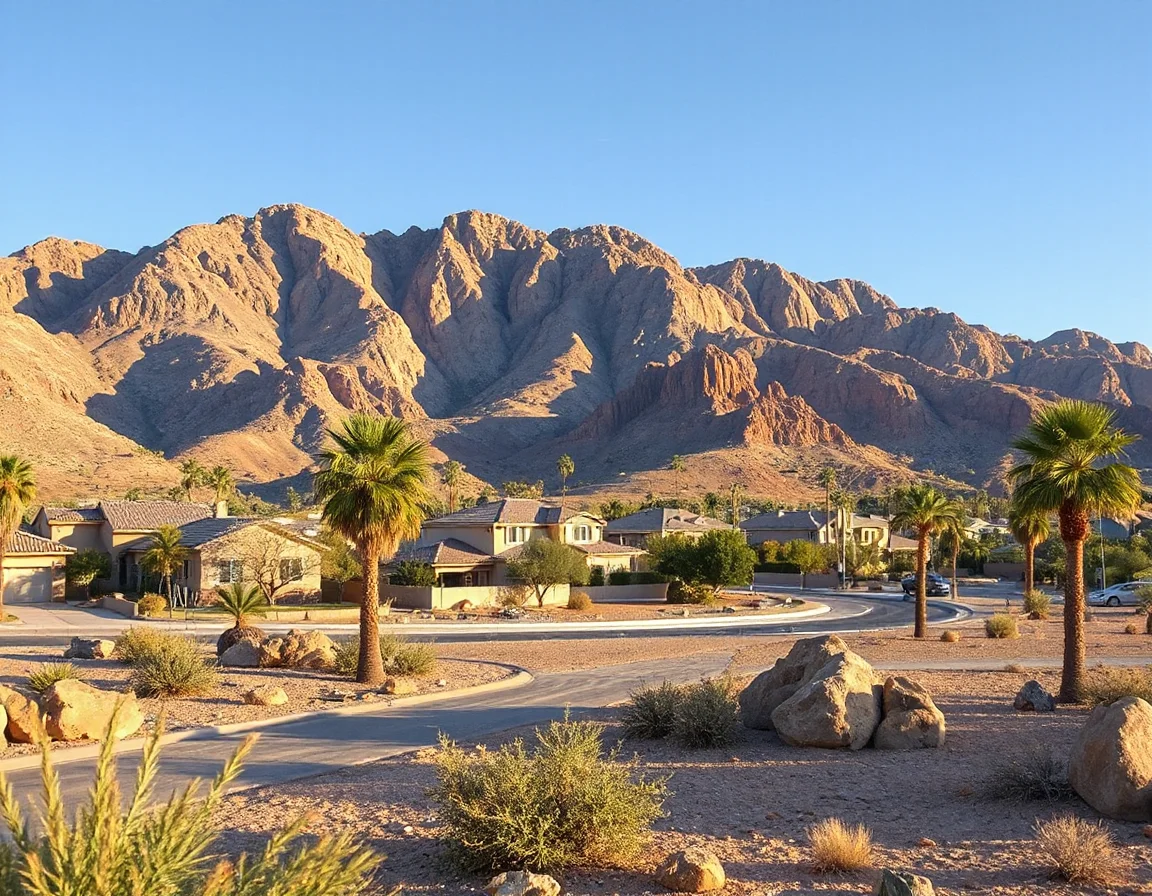
Scottsdale’s appeal often depends on which part of the city you choose. South Scottsdale, central Scottsdale, and north Scottsdale each offer a different pattern of access. A buyer focused on golf, hiking, resort amenities, or a particular business corridor may find one submarket far more convenient than another. This is where broad assumptions can create frustration: “Scottsdale” covers a lot of ground, and travel times can vary more than buyers expect.
That is why a lifestyle-first home search works better than a price-first one. Start with the places you go most often, then map a realistic weekly routine. A property that looks perfect in photos may become less compelling if every preferred destination adds extra drive time. On the other hand, a slightly different location may outperform on convenience without sacrificing quality.
Search Paradise Valley listings
For buyers relocating from outside Arizona, this point can be especially useful. Touring both areas with a clear list of destinations often reveals which location feels effortless and which one feels more situational.
5. The Overall Pace of Daily Living Is Noticeably Different
Perhaps the most subtle distinction is pace. Paradise Valley often reads as slower, more residential, and more visually open. Streetscapes, lot spacing, and mountain framing combine to create a setting that feels composed and private. Buyers frequently describe it as a place where the property itself is the centerpiece.
Scottsdale can absolutely offer calm, high-end residential living, but it more often pairs that with visible momentum. There may be more nearby activity, more neighborhood formats, and more opportunities to shift between home life and the wider city. Buyers who enjoy that energy tend to see it as a major plus rather than a tradeoff.
In practical terms, the decision often comes down to what you want luxury to feel like. If your ideal day centers on space, privacy, and a distinctly estate-oriented environment, Paradise Valley may align more closely. If your ideal day includes high-end residential living with faster access to recreation, dining, and multiple neighborhood styles, Scottsdale may be the stronger fit.
Both markets offer exceptional homes, but they are not interchangeable. A thoughtful comparison of land, access, architecture, commute patterns, and pace can help narrow the field quickly and make each showing more productive. For buyers who want to move with confidence, those lifestyle differences matter just as much as price per square foot.
