

Pricing a home in Phoenix is not just about looking at the highest recent sale on the block. The strongest list price usually comes from reading current inventory, buyer pace, price-cut trends, and seasonal shifts before the home hits the market. Watching these five signals can help sellers enter the market with a number that attracts attention without leaving money on the table.
Why pricing strategy matters more than ever
Setting a list price used to be framed as a simple comparison exercise: find a few similar sales, adjust for upgrades, and choose a number. In Phoenix, that approach still matters, but it is no longer enough on its own. Conditions can change quickly from one month to the next, and sellers who rely only on closed sales may miss what buyers are reacting to right now.
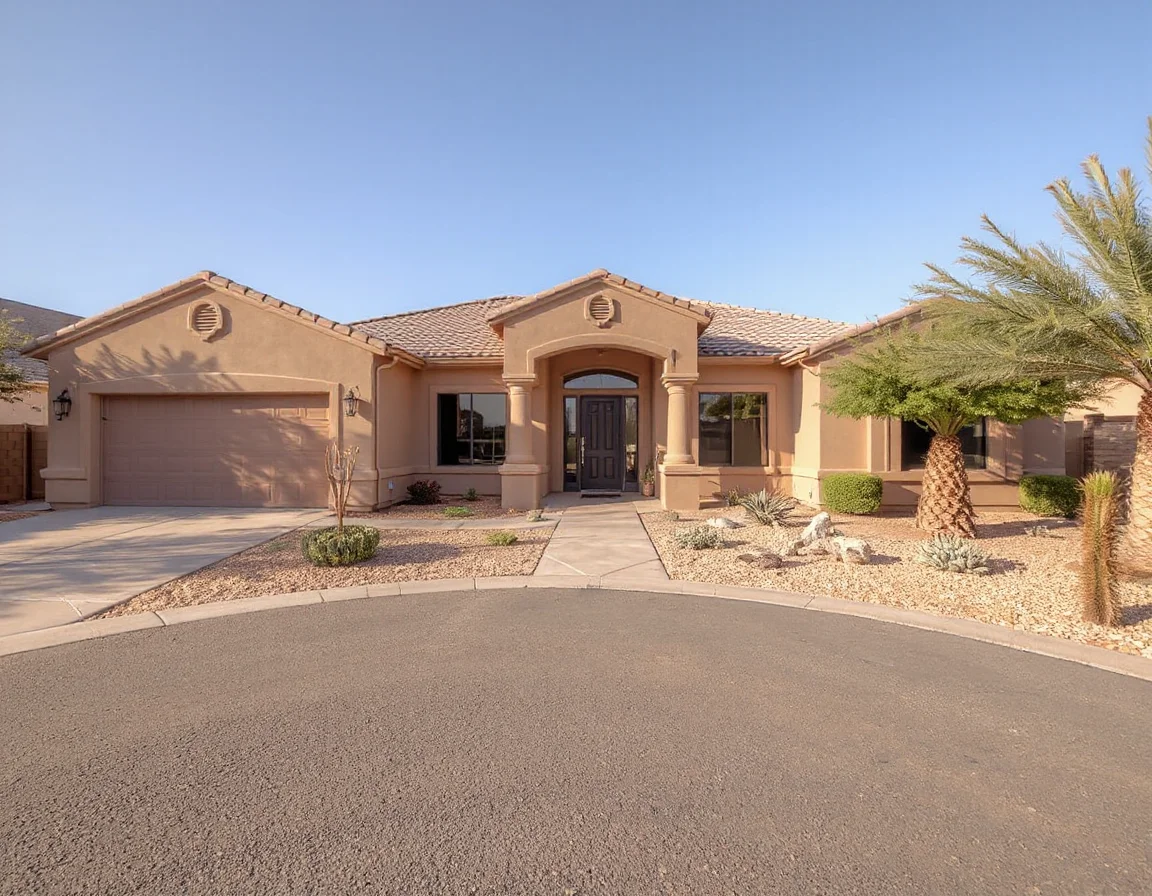
That is especially true in a market where mortgage rates, relocation activity, and supply levels can shift buyer behavior in a matter of weeks. A home priced too high may sit long enough to create hesitation, while a home priced too low may generate activity but still fail to reflect its true position in the market. The goal is not simply to list high or list low. The goal is to list where the market is most likely to respond.
For Phoenix sellers, that means paying attention to leading indicators rather than waiting for the past to explain the present. Here are five signals worth tracking before deciding on a number.
A price that looks competitive on paper can still miss the market if new competing listings entered in the last two weeks with stronger finishes or better lot placement.
1. Active inventory in your price band
Closed sales tell you what buyers agreed to pay in the past, but active listings show the choices they have today. If several similar homes are already on the market in your target price range, your home has to compete against those options immediately. This is one of the clearest signals sellers should review before pricing.
A balanced review looks beyond square footage alone. Buyers are comparing condition, layout, lot size, pool presence, energy updates, views, and even how well a home photographs online. If your property would appear alongside several polished listings at the same number, pricing at the top of the range may require a very strong presentation. If inventory is thin, however, sellers may have a little more room to position confidently.
In practical terms, the question is simple: when a buyer searches Phoenix homes in your range this week, how does your property stack up against the alternatives? The answer often says more than last quarter's peak sale.
2. Days on market for comparable homes
Speed matters. If comparable listings are moving quickly, buyers may still be acting decisively when a home is presented well and priced appropriately. If similar properties are lingering, that usually signals more resistance at current price levels. Sellers should pay close attention not just to whether homes sell, but how long they take to get there.

A short marketing period often indicates pricing alignment. A long marketing period can mean buyers see value elsewhere, even if the final sale eventually closes. This is where averages can be misleading. One outlier listing that sat for months may not define the market, but a pattern of slower movement across several comparable homes deserves attention.
It also helps to separate the first seven to ten days from the rest of the listing timeline. New listings typically receive the most visibility right away. If homes are not drawing serious interest early, the market may be signaling that buyers want a sharper value proposition. Sellers who understand that timing window can price more deliberately from day one.
Looking at days on market through the lens of neighborhood, property type, and condition gives a more useful picture than broad metro averages. A well-updated home in one part of Phoenix can perform very differently from a dated home at the same price in another area.
The first stretch on market often brings the highest visibility. If comparable homes are not getting traction early, pricing pressure may show up faster than many sellers expect.
3. Recent price reductions nearby
Price cuts are one of the clearest signs of friction between seller expectations and buyer response. Before pricing a home, sellers should review how many similar listings have reduced their asking price, how quickly those reductions happened, and whether the homes sold after the adjustment.
One reduction is not automatically a warning sign. A home may have started too high, needed cosmetic work, or entered the market during a slower window. But when multiple comparable listings are trimming prices, that usually reveals where buyers are drawing the line. Ignoring that pattern can lead to a listing strategy that begins behind the market instead of ahead of it.
This signal is useful because it shows what current sellers are learning in real time. A closed sale may reflect negotiations from 30 or 45 days earlier. A price reduction from this week reflects today's feedback. For homeowners preparing to sell, that can be extremely valuable context.
If reductions are common, it may be smarter to price where buyers are already responding rather than testing an aspirational number and planning to adjust later. Homes often get their strongest attention when they first launch, and preserving that window can matter.
4. Seasonal buyer activity across Phoenix
Phoenix does not move the same way every month of the year. Activity levels can shift with weather, school calendars, travel patterns, and broader economic news. Sellers do not need to time the market perfectly, but they should understand the pace of the season they are entering.

During stronger activity periods, sellers may see more showings and quicker offers, particularly when inventory is limited. In slower stretches, buyers may still be active, but they can become more selective and deliberate. That does not mean a home cannot sell well in a quieter season. It means pricing should reflect how much competition and urgency exist at that moment.
Seasonality also affects presentation. Desert landscaping, outdoor living spaces, pool areas, and mountain views can resonate differently depending on the time of year and how the home is photographed. A pricing conversation works best when it considers both market momentum and the features likely to stand out in the current season.
5. The gap between asking prices and closed prices
The final signal to watch is the spread between what sellers are asking and what buyers are actually paying. In some market conditions, well-positioned homes may close near list price. In others, negotiation becomes more common and sellers need to build that reality into their expectations before going live.
This gap helps sellers avoid a common mistake: choosing a list price based on optimistic asking numbers rather than verified outcomes. A neighborhood may have several ambitious listings, but if recent closings show consistent concessions or below-list sales, buyers are clearly pushing back. Pricing with that in mind can help a home appear realistic and attractive instead of overpriced.
It is also helpful to evaluate whether concessions are becoming more common. Closing cost support, repair credits, or rate-buydown discussions can influence how a headline price performs. A strong strategy looks at the full transaction picture, not just the sticker price.
For homeowners preparing to sell, the takeaway is clear: the best price is informed by both evidence and timing. Active competition, market pace, price-cut patterns, seasonal shifts, and negotiation trends all help shape where your home should enter the market. When those signals are read together, pricing becomes less of a guess and more of a plan.
If you are thinking about selling in Phoenix, a current, local review of these indicators can help you choose a price that matches today's conditions rather than yesterday's headlines.
