
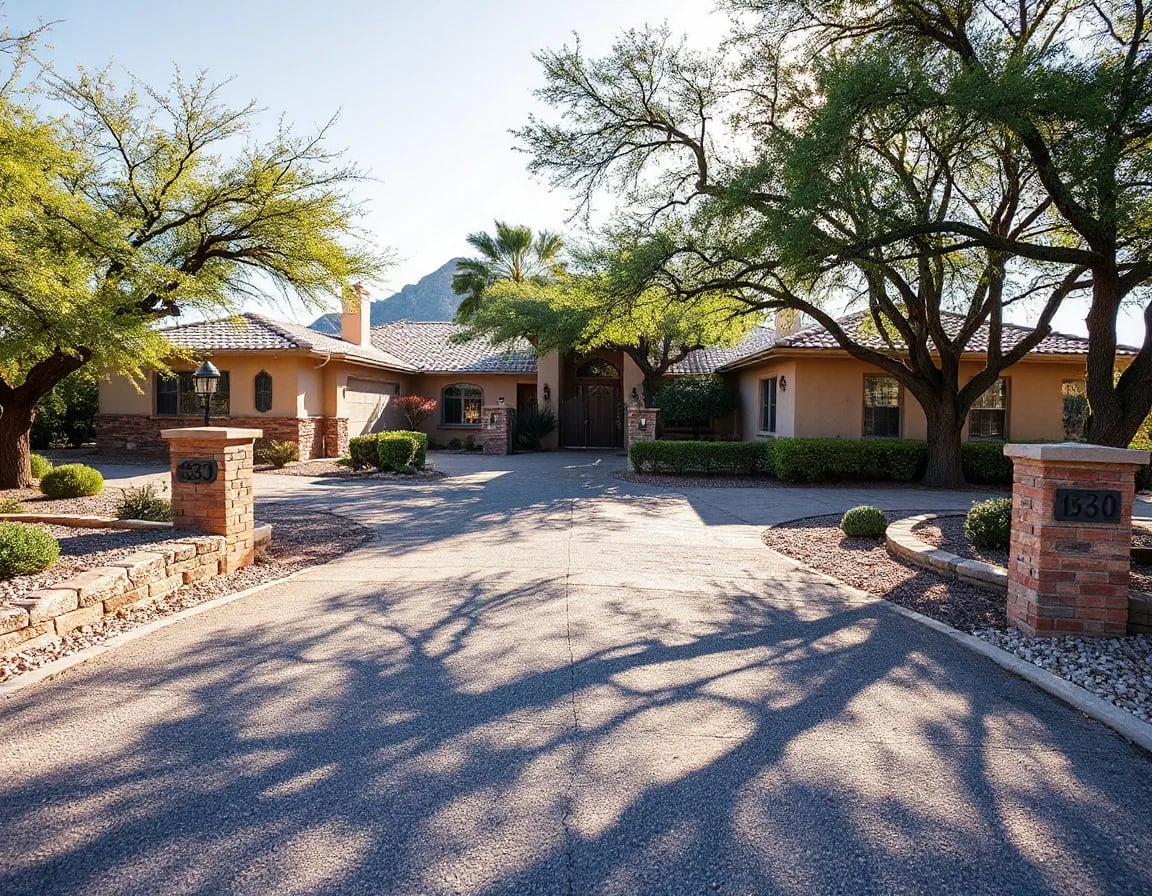
Buying in Tempe can feel straightforward until two homes with similar prices start carrying very different long-term costs, commute patterns, and resale potential. The clues that matter most are often subtle: traffic flow at different times of day, lot orientation, nearby redevelopment, and the way a neighborhood connects to daily errands. If you are trying to make a smart first purchase, these six overlooked signals can help you read the market with more confidence.
Why small neighborhood details matter more than the listing photos
First-time buyers often start with square footage, bedroom count, and monthly payment. Those basics matter, of course, but in Tempe, the difference between a home that feels easy to live in and one that becomes frustrating usually shows up in the details around it. A block can look quiet during a midday tour and feel very different during rush hour, game day, or an evening when nearby activity picks up. The goal is not to overcomplicate the search; it is to notice what can affect comfort, convenience, and resale once the excitement of an accepted offer wears off.
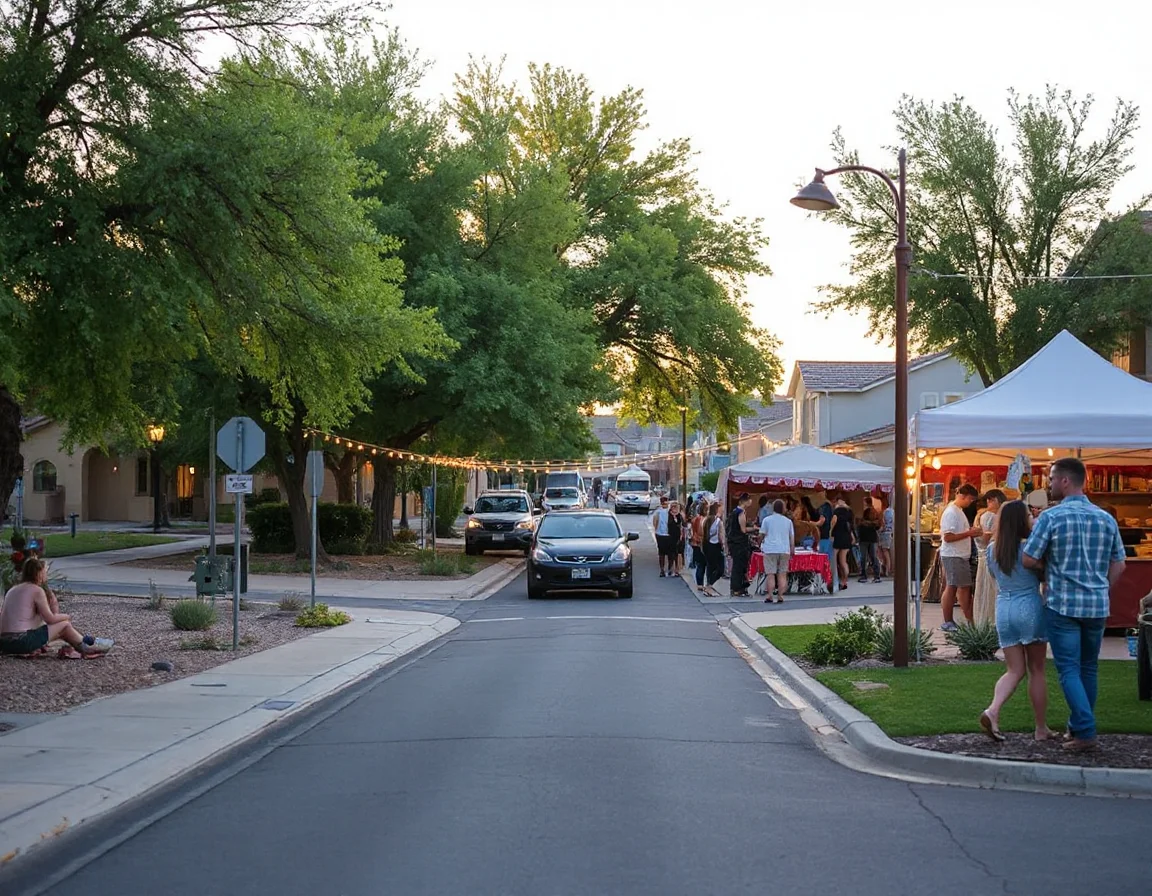
Tempe has an especially varied housing landscape for a relatively compact city. You will find established subdivisions, condos near major corridors, townhomes close to employment centers, and pockets where older homes sit beside updated infill construction. That variety is good news for buyers because it creates options across price points and property types. It also means two listings that look similar online may function very differently in real life.
The buyers who tend to feel best about their purchase six months later are usually the ones who slowed down enough to study the block, not just the house. They looked at how the property sits on the lot, how easy it is to reach groceries or outdoor space, and whether nearby projects might change traffic or property values over time. In a market where first impressions can be polished, neighborhood clues are often the better guide.
A 15-minute drive test can reveal more than an extra showing. Try the route to work, groceries, and a weekend destination before deciding a location “works.”
Clue #1 and #2: Watch the roads, then study the lot itself
The first overlooked clue is traffic rhythm. Not just whether a home sits on a busy road, but how surrounding streets feed into larger corridors. In Tempe, proximity to major routes can be a plus for access, yet the exact placement of an entrance, side street, or turning lane can shape day-to-day ease. Visit at more than one time of day if possible. A route that feels quick at 11 a.m. may stack up at 8 a.m. or after a large campus or event release. Listen for road noise in the yard, notice shortcut traffic on nearby residential streets, and pay attention to how easy it is to back out of the driveway.
The second clue is lot orientation and sun exposure. In Arizona, this can influence both comfort and maintenance more than many first-time buyers expect. West-facing windows and outdoor areas can take the strongest late-day heat, while shade patterns from mature trees, patio covers, or neighboring structures may improve usability. Even if you love the interior finishes, notice whether the backyard feels inviting in the evening, whether the front entry gets direct sun, and how the roof and exterior materials may perform under prolonged exposure.
These are not cosmetic observations. They affect utility bills, how often you use outdoor space, and how buyers may perceive the property later when it is time to sell. A beautifully updated home that runs hot every afternoon can feel different after the first full summer.
Clue #3 and #4: Measure the errand pattern and read nearby change
A third clue is what you might call the five-minute life test: what can you reach quickly and easily during an ordinary week? Buyers sometimes focus so much on the home that they underweight routine convenience. In Tempe, being close to parks, trails, everyday retail, public transportation options, or major employment corridors can make a home feel more functional without changing a single feature inside. The question is not whether a neighborhood is “for” one type of buyer, but whether it supports the way you actually move through the week.
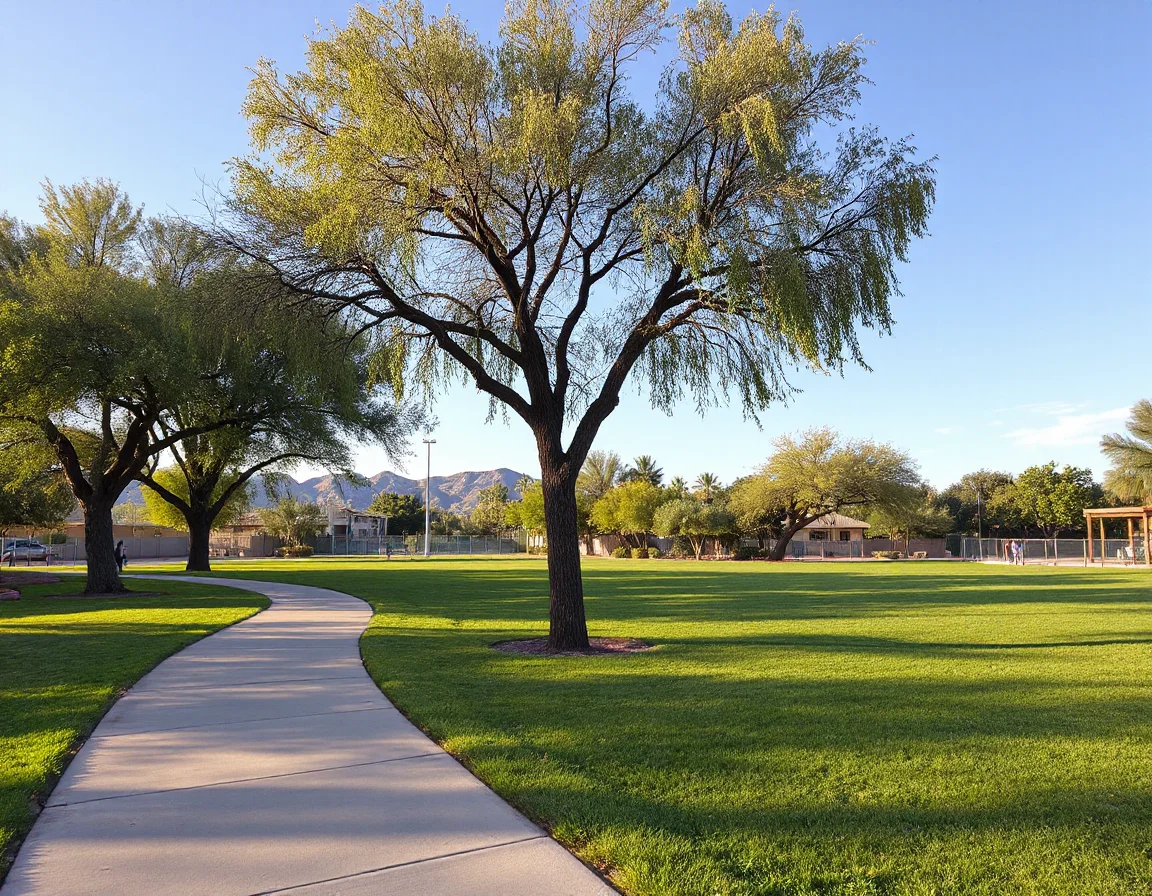
Walkability means different things in different parts of the city. In one area, it may mean easier access to a path or park. In another, it may mean quicker connections to dining, services, or transit. Rather than assuming convenience from a map pin, test it. Park the car, walk a few blocks, and see what the route actually feels like in terms of shade, crossings, and ease of movement.
The fourth clue is nearby change. Look for signs of redevelopment, road improvements, new mixed-use projects, or transitions from older housing stock to renovated or newly built homes. Change is not automatically good or bad, but it can affect pricing momentum, traffic patterns, and future competition when you sell. A buyer who understands whether an area is stabilizing, rising, or simply turning over parcel by parcel has a better chance of making a decision based on trajectory rather than just today’s photos.
If several nearby homes have been updated recently, that can be a useful signal about buyer demand and future resale competition at your price point.
One practical habit is to compare the subject home with the condition of nearby properties on the same and adjacent streets. Is the listing one of the strongest homes on the block, one of the weakest, or somewhere in the middle? That answer helps frame both value and long-term flexibility.
Clue #5 and #6: HOA realities and the “edges” of a neighborhood
The fifth clue is the real-world impact of an HOA, if there is one. First-time buyers often ask about the monthly fee but stop there. Dig deeper. What does the fee cover? Are there upcoming assessments? How strict are maintenance standards? How healthy are reserves? In condos and townhomes especially, these details influence monthly cost, lender approval, and how the community may look and operate over time. A lower list price can lose its appeal quickly if ownership expenses are more layered than expected.
The sixth clue is the edge effect—where the home sits relative to the boundaries of the neighborhood. Homes backing to larger roads, bordering commercial corridors, facing open utility areas, or sitting near school pickup patterns can live differently from homes in the interior of the same subdivision. This does not make them automatically less desirable, but it does mean price comparisons should be more precise. Two homes in the same neighborhood are not always equivalent if one has a more private setting or quieter placement.
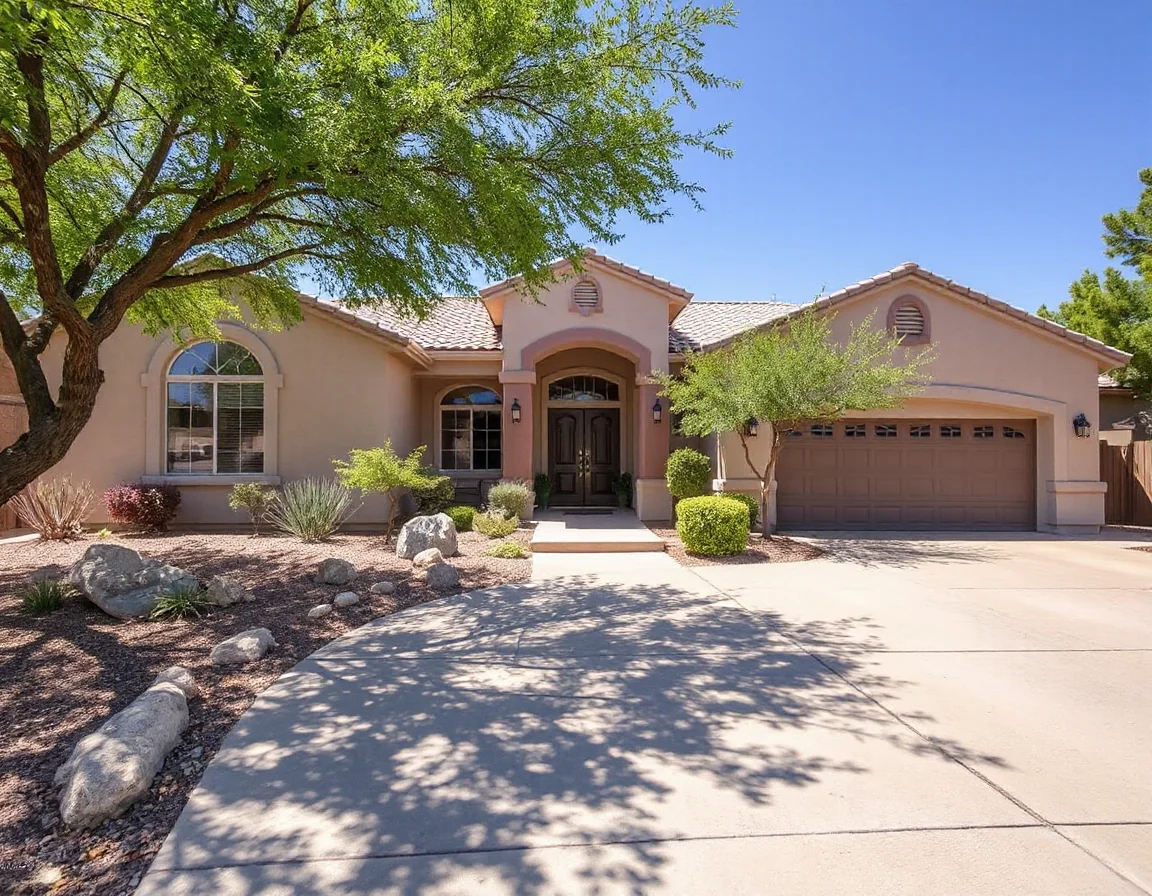
For this reason, buyers should zoom out before writing an offer. Review satellite views, study the immediate perimeter, and stand in the backyard or front entry long enough to notice sound, privacy, and visibility. If a home is priced attractively, there is often a reason, and understanding that reason helps you decide whether it is a fair tradeoff for your priorities.
Tempe rewards buyers who look past the obvious. Its strongest opportunities are often found by pairing listing-level research with on-the-ground observation. That means asking why one block feels more connected, why one home stays on the market longer, or why another commands stronger offers despite similar specs.
A smarter first purchase starts with better questions
A first home does not need to be perfect to be a solid decision. It does need to fit your budget, your routines, and the realities of the block around it. In Tempe, that usually comes down to noticing six things many buyers miss: traffic rhythm, lot orientation, errand convenience, nearby change, HOA substance, and edge location. When you pay attention to those clues early, you can sort through listings faster, make cleaner comparisons, and feel more grounded when it is time to act. That is how you take the guesswork out of the search and move toward a purchase with fewer surprises after closing.
